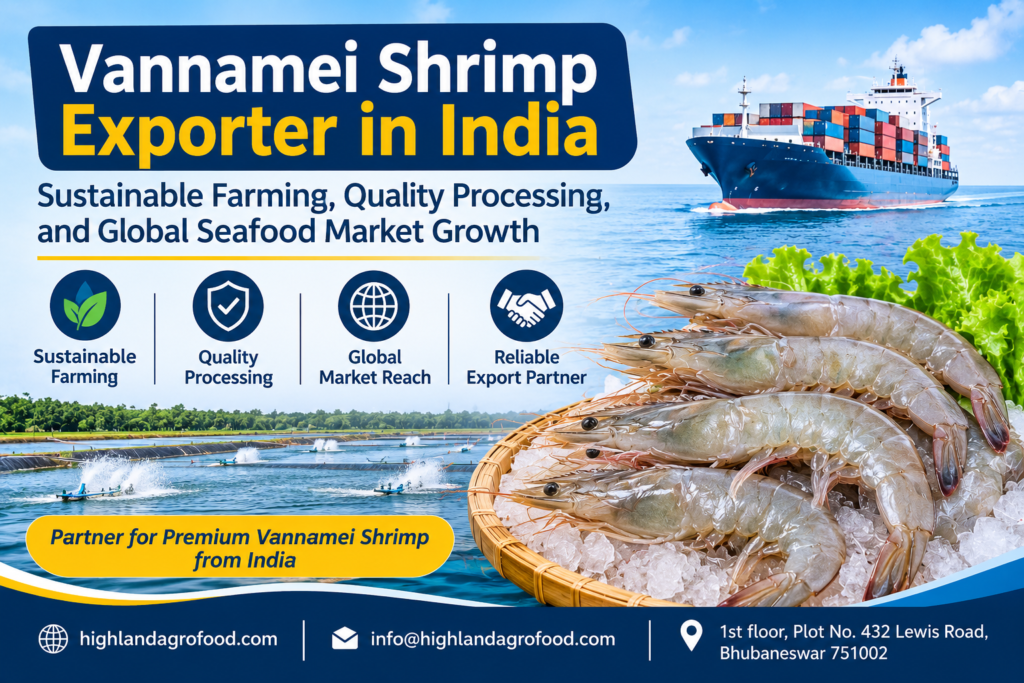
The global seafood industry is experiencing steady growth as consumers increasingly choose protein-rich food products. Shrimp is one of the most popular seafood choices because of its nutritional value, taste, and versatility in different cuisines. Among the different shrimp varieties available in international markets, Vannamei shrimp has gained significant attention because of its farming efficiency, consistent supply, and suitability for frozen seafood processing. India has become an important participant in this growing industry through aquaculture, processing facilities, and international seafood trade.
A reliable Vannamei Shrimp Exporter in India plays an important role in supplying international markets with processed and frozen shrimp products. Global buyers look for suppliers who can maintain product quality, follow food safety procedures, provide accurate documentation, and ensure dependable transportation. These requirements have encouraged Indian seafood businesses to invest in modern processing systems, responsible farming practices, and improved cold-chain infrastructure.
The growth of Vannamei shrimp farming has also created opportunities for farmers, processing companies, exporters, and logistics providers. As international demand continues to develop, maintaining quality and sustainability will remain important for India’s seafood export industry.
Growing Global Demand for Vannamei Shrimp
Vannamei shrimp, scientifically known as Litopenaeus vannamei, is widely farmed in several countries. It is valued for its adaptability to different farming conditions, relatively efficient production, and suitability for commercial processing.
India has developed a significant Vannamei shrimp farming sector, particularly in coastal states such as Andhra Pradesh, Odisha, Gujarat, and Tamil Nadu. These regions support aquaculture activities and provide employment opportunities for farmers and workers involved in seafood processing.
Several factors contribute to the growing international demand for Vannamei shrimp:
- Consistent availability: Commercial farming supports regular production and supply.
- Food industry demand: Restaurants, hotels, and food manufacturers use shrimp in different preparations.
- Frozen seafood consumption: Frozen shrimp provides convenience for retailers and consumers.
- Product flexibility: Vannamei shrimp can be supplied in different sizes and processing forms.
- International distribution: Export networks connect Indian seafood products with buyers across different countries.
Vannamei shrimp is commonly available in several product categories, including head-on shell-on, headless shell-on, peeled, peeled and deveined, and individually quick frozen products. These options allow importers to select products according to their market requirements.
Quality Processing and Food Safety Management
Quality processing is essential for maintaining the freshness, safety, and commercial value of shrimp. Since shrimp is a perishable seafood product, careful handling is required from harvesting until final delivery.
The processing journey begins with the collection and inspection of raw shrimp. Suitable raw materials are then cleaned, graded, processed, frozen, and packed according to customer specifications.
Modern seafood processing facilities use different technologies to improve production efficiency and maintain consistent product standards.
Important processing practices include:
- Inspecting incoming raw shrimp for quality.
- Maintaining hygienic processing areas.
- Using suitable washing and grading systems.
- Following proper peeling and deveining procedures.
- Monitoring product temperatures.
- Preventing cross-contamination.
- Maintaining batch records and product traceability.
- Conducting quality checks before export.
Freezing is particularly important because it helps preserve shrimp quality during storage and transportation. Individually Quick Frozen (IQF) technology freezes shrimp pieces separately, making them easier to portion and use. Block freezing is another method used for specific commercial requirements.
Frozen shrimp is generally stored at -18°C or below, subject to applicable product and destination-market requirements. Proper temperature management throughout transportation helps maintain product quality.
Highland Agro Food reflects the importance of quality-focused seafood operations and the growing role of Indian businesses in international seafood markets. Maintaining consistent processing standards and understanding customer expectations can help exporters develop long-term business relationships.
Sustainable Vannamei Shrimp Farming and Responsible Aquaculture
Sustainability has become an important part of the global seafood industry. International buyers are increasingly interested in understanding how shrimp is farmed and whether responsible production methods are followed.
Vannamei shrimp farming can support coastal employment, agricultural development, and seafood availability. However, effective farm management is necessary to maintain production and reduce environmental pressure.
Responsible farming practices help improve shrimp health and maintain suitable pond conditions.
Some important aquaculture practices include:
- Regular monitoring of pond water quality.
- Maintaining appropriate stocking densities.
- Using suitable and responsibly managed feed.
- Following farm biosecurity procedures.
- Monitoring shrimp health and growth.
- Managing wastewater responsibly.
- Maintaining accurate farming and harvesting records.
Water quality is particularly important in shrimp farming. Parameters such as dissolved oxygen, temperature, salinity, and pH influence shrimp health and growth. Regular monitoring helps farmers identify problems and take corrective action.
Disease prevention is another important consideration. Proper pond preparation, biosecurity measures, responsible stocking, and regular observation can help reduce disease risks.
Technology is also improving aquaculture management. Digital monitoring systems, automated feeding equipment, and water quality sensors can help farmers make better decisions and manage resources efficiently.
Traceability connects farming practices with seafood processing and international distribution. It allows businesses to maintain records about product origin, processing batches, and shipment information. This transparency is becoming increasingly important for international buyers.
Future Opportunities in India’s Vannamei Shrimp Export Industry
India has opportunities to strengthen its position in the international shrimp market through improved infrastructure, product development, and responsible aquaculture. Changing consumer preferences are encouraging seafood companies to offer convenient products that meet different market requirements.
Ready-to-cook shrimp, peeled and deveined products, frozen portions, and customised packaging are some of the product categories serving international food businesses.
Several developments may influence future industry growth:
- Modern processing facilities: Improved equipment can increase efficiency and product consistency.
- Advanced freezing technology: Better freezing systems can support product quality.
- Digital traceability: Technology can improve supply chain transparency.
- Sustainable aquaculture: Responsible farming can support long-term production.
- Market diversification: Developing relationships with different countries can create additional opportunities.
- Product innovation: New packaging and processing formats can attract different customer segments.
Exporters must also understand the import regulations of their destination markets. Food safety requirements, product specifications, labelling, testing, and export documentation are important parts of international seafood trade.
Reliable cold-chain transportation is equally important. Shrimp must remain under suitable temperature conditions during storage, handling, and shipment. Coordination between farmers, processing facilities, cold storage providers, and shipping companies helps reduce supply chain risks.
The future of India’s shrimp export sector will depend on its ability to combine production efficiency with food safety, sustainability, and customer satisfaction. Businesses that invest in these areas can contribute to the continued development of India’s seafood industry.
Conclusion
Vannamei shrimp has become an important product in the global seafood market because of its commercial value, farming adaptability, and wide range of processing applications. India’s aquaculture and seafood processing sectors provide opportunities to serve international buyers and strengthen the country’s position in global seafood trade.
Quality management, responsible farming, food safety, and proper cold-chain transportation remain essential for successful shrimp exports. At the same time, technology, traceability, and sustainable production practices are shaping the industry’s future.
With continued investment in modern processing facilities and responsible aquaculture, India can expand its presence in international seafood markets and support the growing demand for frozen shrimp products.
Frequently Asked Questions (FAQs)
1. What is Vannamei shrimp?
Vannamei shrimp is a farmed shrimp species scientifically known as Litopenaeus vannamei. It is widely used in international seafood markets because of its commercial farming potential and processing flexibility.
2. Why is Indian Vannamei shrimp popular in global markets?
Indian Vannamei shrimp is valued for its availability, product variety, and established seafood processing infrastructure. Proper quality management also helps meet international buyer requirements.
3. What are the common Vannamei shrimp export products?
Common products include head-on shell-on, headless shell-on, peeled, peeled and deveined, and IQF shrimp. Product specifications depend on buyer requirements.
4. Why is sustainable shrimp farming important?
Sustainable farming helps manage water resources, maintain pond conditions, and support long-term shrimp production. It also helps meet international expectations for responsible seafood sourcing.
5. How can international buyers connect with seafood suppliers?
Buyers can visit the company’s official website and use the Contact Us section to discuss product specifications, export requirements, and potential business partnerships.
6. Where can readers find more seafood information?
Visit website for company-related information and seafood industry updates. The Faq section can help visitors understand common business and product-related questions.