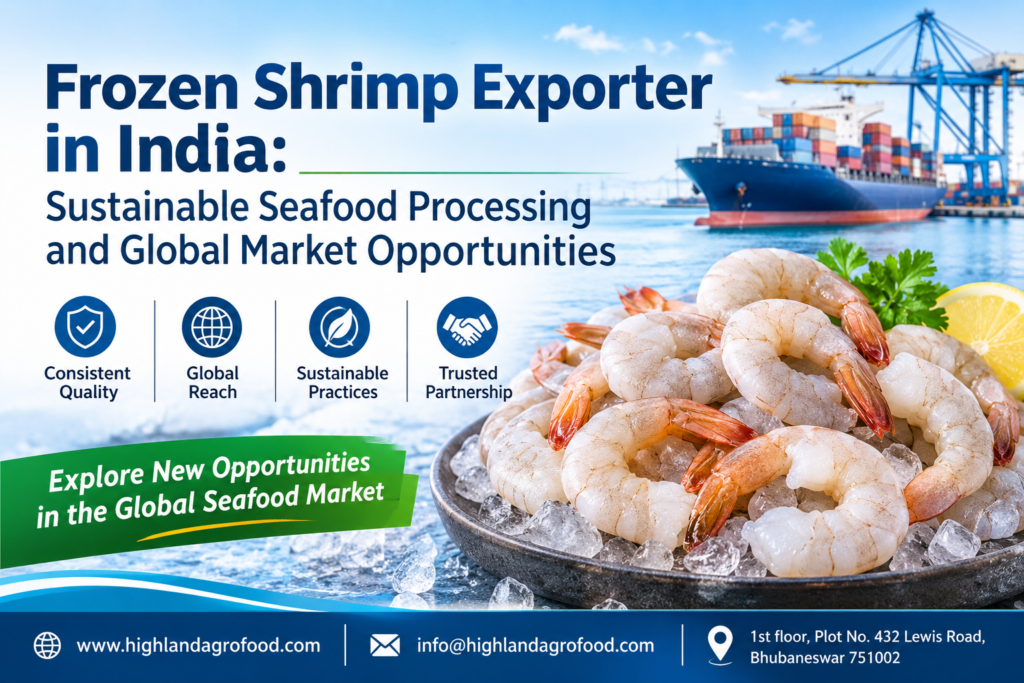
The global seafood industry is experiencing changes in consumer preferences, food safety requirements, and international trade practices. Shrimp continues to be an important seafood product because it is used in restaurants, hotels, retail stores, and food processing businesses. Buyers across international markets look for suppliers who can maintain product quality, follow food safety standards, and provide consistent shipments. Choosing a reliable Frozen Shrimp Exporter in India is an important consideration for importers who want to establish long-term seafood sourcing relationships.
India has developed a strong position in the international shrimp trade through aquaculture production, seafood processing facilities, and export infrastructure. Indian seafood businesses supply different shrimp varieties and product forms to international markets. Along with production capacity, the industry is increasingly focusing on responsible farming, traceability, improved freezing technology, and efficient cold-chain management. These developments are helping seafood exporters respond to changing buyer expectations.
1. India’s Shrimp Export Industry and Growing International Demand
India is one of the established suppliers of farmed shrimp in the global seafood market. Its coastal states support aquaculture activities, while processing facilities help prepare seafood products for domestic and international customers. The availability of different shrimp varieties and product specifications allows Indian exporters to serve a wide range of buyers.
Vannamei shrimp is among the major shrimp varieties produced through aquaculture in India. It is commonly used in international seafood markets because of its availability and suitability for different food preparations. Black Tiger shrimp is another variety that serves buyers looking for specific sizes, textures, and product characteristics.
International demand for frozen shrimp is influenced by several factors, including convenience, nutritional value, restaurant consumption, and retail availability. Frozen products are useful for businesses because they can be stored and distributed under controlled temperature conditions.
Some important factors supporting India’s shrimp export industry include:
- Aquaculture development: Shrimp farming supports raw-material availability for seafood processing businesses.
- Processing facilities: Modern facilities handle cleaning, grading, freezing, and packaging.
- Export infrastructure: Ports, refrigerated transportation, and logistics services support international shipments.
- Product variety: Exporters supply different shrimp species, sizes, and processing styles.
- International trade relationships: Indian seafood companies work with importers, distributors, wholesalers, and foodservice businesses.
These factors contribute to India’s position in the global seafood supply chain. Maintaining quality and meeting importing-country requirements remain essential for continued growth.
2. Modern Seafood Processing and Food Safety Standards
Seafood processing is an important part of the shrimp export business. Freshly harvested shrimp must be handled carefully to maintain its quality before freezing and packaging. Processing facilities follow specific procedures to ensure that products meet buyer specifications and applicable food safety requirements.
The process generally begins with receiving raw shrimp from farms or approved suppliers. The raw material is inspected for freshness, size, condition, and other quality parameters. After receiving approval, shrimp moves through different processing stages.
Common processing activities include:
- Washing and cleaning: Removes unwanted materials and prepares shrimp for further processing.
- Grading: Separates shrimp according to size and weight specifications.
- Peeling and deveining: Prepares products according to buyer requirements.
- Freezing: Helps preserve shrimp for storage and transportation.
- Packaging: Protects the product and provides required product information.
- Quality inspection: Checks product specifications, hygiene, and relevant safety parameters.
Freezing technology is particularly important in seafood processing. Individual Quick Freezing (IQF) is widely used because it freezes individual shrimp pieces separately. This makes portion control easier for restaurants, food manufacturers, and distributors.
Other commonly supplied frozen shrimp products include:
- HOSO (Head-On Shell-On)
- HLSO (Headless Shell-On)
- PDTO (Peeled Deveined Tail-On)
- PUD (Peeled Undeveined)
- Block-frozen shrimp
- Individually quick-frozen shrimp
Food safety management also requires proper hygiene, temperature monitoring, sanitation, and documentation. Exporters must follow the regulations applicable to their destination markets. Certifications and inspection requirements should be verified according to the product and importing country.
Maintaining a proper cold chain is equally important. Frozen shrimp needs controlled storage and transportation conditions throughout distribution. Temperature management helps protect product quality and reduces the risk of deterioration during international shipments.
3. Sustainable Shrimp Aquaculture and Responsible Sourcing Practices
Sustainable aquaculture is receiving greater attention as seafood buyers become more interested in the environmental impact of food production. Shrimp farming requires proper water management, feed selection, disease prevention, and responsible farm operations. These practices influence both production performance and the long-term sustainability of the industry.
Businesses involved in seafood exports depend on farming communities and raw-material suppliers. Maintaining communication with these suppliers can help improve sourcing transparency and product consistency.
Highland Agro Food operates in India’s seafood export sector, where responsible sourcing, processing quality, and international buyer expectations are important business considerations.
Responsible shrimp farming involves several practical measures:
- Water management: Regular monitoring helps maintain suitable pond conditions for shrimp growth.
- Feed management: Appropriate feeding practices help control waste and support healthy production.
- Disease prevention: Farm monitoring and biosecurity measures help reduce disease risks.
- Environmental protection: Proper waste management can help reduce the impact of farming activities.
- Traceability: Maintaining farm and processing records helps track products through the supply chain.
- Resource efficiency: Responsible use of water, energy, and other resources supports sustainable operations.
Traceability is particularly important in international seafood trading. Buyers may request information about product origin, processing details, and applicable certifications. Accurate documentation helps exporters respond to these requirements.
Sustainable sourcing can also support stronger relationships between seafood businesses and international customers. Importers increasingly value suppliers who can explain their sourcing practices and demonstrate compliance with relevant standards.
The future of shrimp farming will depend on balancing production needs with environmental responsibilities. Better farm management, improved monitoring systems, and cooperation between farmers and processors can contribute to this objective.
4. Global Seafood Market Trends and Future Export Opportunities
The international seafood market continues to develop as consumer preferences and food distribution systems change. Frozen shrimp is used in several food categories, including ready-to-cook meals, restaurant dishes, seafood salads, pasta, snacks, and processed food products.
Convenience is one of the important factors influencing frozen seafood consumption. Restaurants and food manufacturers often require products that are easy to store, portion, and prepare. This creates opportunities for exporters supplying peeled, deveined, IQF, and other value-added shrimp products.
Technology is also changing seafood processing operations. Automated grading equipment, improved freezing systems, digital inventory management, and temperature-monitoring solutions can help businesses improve efficiency and maintain product consistency.
International buyers generally consider the following factors before selecting an exporter:
- Product quality and specifications.
- Shrimp varieties and available sizes.
- Processing and freezing technology.
- Applicable certifications and food safety compliance.
- Packaging and labelling requirements.
- Production capacity and order consistency.
- Pricing and payment conditions.
- Shipping arrangements and export documentation.
Despite these opportunities, seafood exporters face several challenges. Raw-material price fluctuations, disease outbreaks, changing import regulations, transportation costs, and international competition can affect business operations.
To remain competitive, exporters need to understand buyer requirements and maintain reliable supply arrangements. Providing accurate product information, responding to enquiries, following agreed specifications, and managing delivery schedules can help establish long-term business relationships.
India has opportunities to strengthen its seafood export sector through improved aquaculture practices, investment in processing technology, value-added products, and international market development. Businesses that focus on food safety, traceability, and responsible sourcing can contribute to the industry’s continued development.
Conclusion
India’s shrimp export industry is an important part of the international seafood supply chain. Aquaculture development, modern processing facilities, freezing technology, and cold-chain infrastructure support the production and distribution of frozen shrimp to global markets.
At the same time, food safety, traceability, and sustainable farming practices are becoming increasingly important for international buyers. Exporters must continue improving their operations to meet changing market requirements and maintain consistent product quality.
For seafood importers, selecting a suitable supplier requires careful evaluation of product specifications, processing standards, sourcing practices, and export capabilities. A focus on quality management and responsible production can help Indian seafood businesses build stronger relationships and explore new opportunities in the global market.
Frequently Asked Questions (FAQs)
1. Why is India an important source of frozen shrimp?
India has an established shrimp aquaculture industry, seafood processing infrastructure, and international export network. These facilities support the supply of different shrimp varieties to overseas markets.
2. What should buyers check before choosing a Frozen Shrimp Exporter in India?
Buyers should evaluate processing facilities, product quality, freezing methods, applicable certifications, traceability, and export documentation before selecting a supplier.
3. What are the common types of frozen shrimp products?
Common products include Vannamei shrimp, Black Tiger shrimp, HOSO, HLSO, PDTO, PUD, IQF shrimp, and block-frozen shrimp. Availability depends on the supplier’s product range.
4. Why is IQF technology important in shrimp processing?
IQF technology freezes individual shrimp pieces separately, making storage, portion control, and food preparation more convenient for restaurants and food manufacturers.
5. How does sustainable shrimp farming benefit seafood exporters?
Responsible farming practices support better resource management, traceability, and long-term production. They can also help exporters meet the sourcing expectations of international buyers.
6. How can I enquire about seafood export products?
Visit Website and use the Contact Us section to submit your business enquiry regarding seafood products, specifications, and export requirements.