
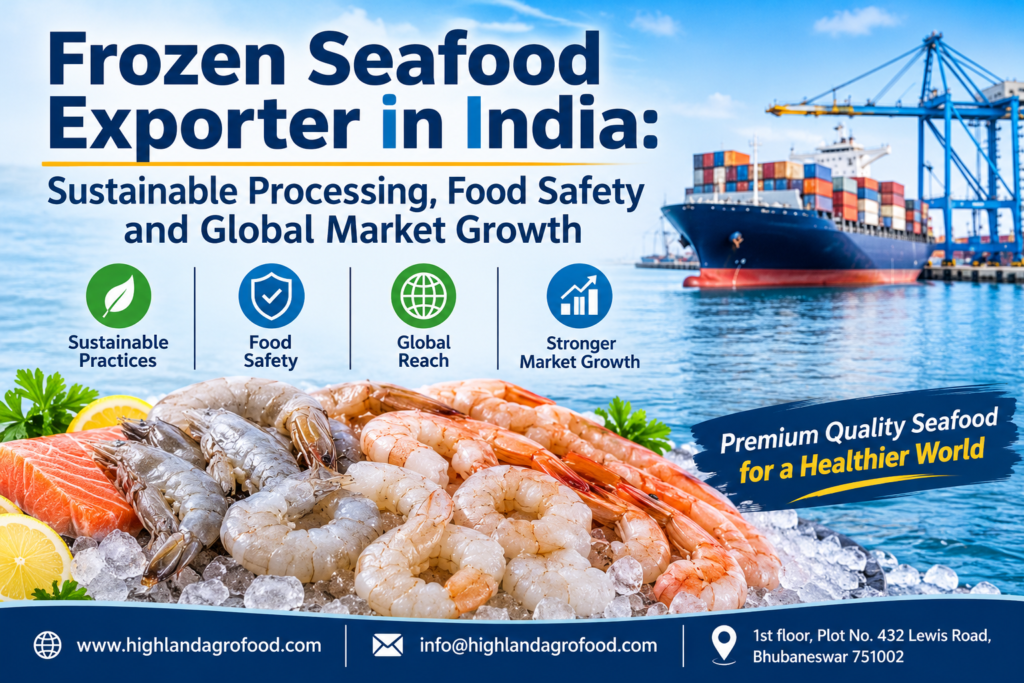
The global seafood industry is changing as consumers, restaurants, retailers, and food distributors become more conscious of product quality, food safety, and responsible sourcing. Frozen seafood has become an important part of international food distribution because it offers convenience, longer storage life under suitable conditions, and access to different seafood varieties throughout the year. Importers are looking for suppliers who can maintain product specifications, follow food safety requirements, and manage international shipments efficiently. Working with a reliable Frozen Seafood Exporter in India can help international buyers establish dependable sourcing relationships and meet the changing needs of their customers.
India has an established seafood export industry supported by coastal resources, aquaculture farms, processing facilities, and international trade networks. The country supplies several seafood products, including shrimp, fish, squid, and other marine products, to overseas markets. Improvements in freezing technology, cold-chain infrastructure, processing standards, and traceability are helping the industry respond to international buyer expectations. Sustainability and responsible production are also becoming important areas of focus.
1. India’s Growing Seafood Export Industry and International Demand
India plays an important role in the global seafood supply chain. Its long coastline supports marine fishing and aquaculture activities, while seafood processing facilities prepare products for domestic consumption and international markets.
Shrimp is one of India’s major seafood export products. Vannamei and Black Tiger shrimp are supplied in different sizes and processing forms according to buyer requirements. Apart from shrimp, Indian seafood businesses also handle fish, cephalopods, and other marine products.
The demand for frozen seafood is influenced by changing food consumption patterns. Restaurants, supermarkets, hotels, and food manufacturers require products that can be stored, transported, and prepared according to their operational needs.
Several factors support India’s seafood export industry:
- Coastal resources: India’s coastline supports marine fisheries and seafood-related economic activities.
- Aquaculture production: Shrimp and fish farming contribute to the availability of seafood raw materials.
- Processing infrastructure: Seafood facilities handle cleaning, grading, freezing, and packaging.
- International logistics: Ports and refrigerated transportation support overseas distribution.
- Product diversity: Exporters can supply different seafood species, sizes, and product presentations.
- Trade experience: Indian seafood businesses have developed relationships with international importers and distributors.
The ability to maintain consistent product quality is essential for exporters. International buyers generally evaluate suppliers based on processing standards, product specifications, documentation, pricing, and delivery arrangements.
As global seafood consumption develops, Indian exporters have opportunities to expand their presence through better production practices and stronger international business relationships.
2. Modern Seafood Processing and Cold-Chain Technology
Seafood processing plays a major role in maintaining product quality and meeting international food safety requirements. Fish and shrimp are perishable products, so proper handling is necessary from harvesting to final distribution.
Processing generally begins when raw seafood reaches the facility. The receiving team checks the condition, freshness, size, and other relevant parameters before the material moves to the next stage.
Depending on the product, processing may include:
- Cleaning and washing: Removes unwanted materials and prepares seafood for further processing.
- Grading and sorting: Separates products according to size, weight, and customer specifications.
- Peeling and cutting: Prepares shrimp and fish products in the required formats.
- Freezing: Helps preserve seafood for storage and transportation.
- Glazing: Applies a protective layer of ice to certain frozen products to reduce dehydration.
- Packaging and labelling: Provides product protection and required identification information.
Freezing technology is an important part of modern seafood processing. Individual Quick Freezing (IQF) is commonly used for shrimp and other suitable seafood products. It freezes individual pieces separately, making portion control easier for restaurants, food manufacturers, and distributors.
Block freezing is another method used in the seafood industry. Products are frozen together in blocks according to processing and buyer requirements.
Cold-chain management is equally important. Frozen seafood must remain under appropriate temperature conditions during storage, transportation, and distribution. Temperature monitoring helps reduce the risk of quality deterioration.
Food safety systems also require proper sanitation, employee hygiene, equipment maintenance, inspection, and documentation. Exporters must comply with applicable regulations in their destination markets and maintain the necessary approvals and certifications.
3. Sustainable Seafood Sourcing and Responsible Aquaculture
Sustainability is becoming an important consideration in international seafood trading. Buyers increasingly want information about the origin of seafood, farming practices, and environmental management throughout the supply chain.
Aquaculture supports seafood production by providing a controlled farming environment. However, responsible farm management is necessary to maintain production quality and reduce environmental risks.
Highland Agro Food operates in India’s seafood export sector, where product quality, responsible sourcing, and international buyer requirements are important considerations for business development.
Responsible aquaculture involves several practices that support long-term production:
- Water quality monitoring: Regular testing helps maintain suitable conditions for aquatic species.
- Feed management: Appropriate feeding practices help reduce waste and support healthy growth.
- Disease prevention: Farm monitoring and biosecurity measures help manage disease risks.
- Waste management: Proper treatment and disposal help reduce environmental impact.
- Resource conservation: Efficient water and energy use supports responsible production.
- Traceability: Maintaining farm and processing records helps track products through the supply chain.
Traceability is particularly important for seafood exporters. International buyers may request details about the source of raw materials, processing methods, production dates, and applicable certifications.
Responsible sourcing also helps businesses develop stronger relationships with suppliers and farmers. Better communication between farms, processing facilities, and exporters can improve raw-material management and product consistency.
Sustainability should be treated as an ongoing business responsibility rather than a one-time activity. Regular monitoring, improved farming practices, and compliance with relevant environmental requirements can support the long-term development of the seafood industry.
4. Global Seafood Market Trends and Future Export Opportunities
The international frozen seafood market is influenced by consumer preferences, foodservice demand, retail distribution, and developments in food processing. Frozen fish and shrimp are used in restaurants, ready-to-cook meals, seafood snacks, processed foods, and household cooking.
Convenience is an important factor behind the demand for frozen seafood. Consumers and food businesses often prefer products that are easy to store, portion, and prepare. This creates opportunities for exporters supplying cleaned fish, peeled shrimp, deveined products, IQF seafood, and other value-added options.
Technology is also changing seafood processing operations. Automated grading, improved freezing equipment, digital inventory systems, and temperature-monitoring solutions can help businesses improve efficiency and product consistency.
International buyers generally consider the following factors before selecting a seafood supplier:
- Product quality and freshness before freezing.
- Available seafood species and product specifications.
- Processing facilities and freezing methods.
- Food safety compliance and applicable certifications.
- Packaging and labelling requirements.
- Production capacity and order consistency.
- Pricing, payment terms, and shipping schedules.
- Traceability and sourcing information.
Despite the opportunities, exporters face several challenges. Raw-material price changes, disease outbreaks, shipping costs, international competition, and changing import regulations can affect seafood businesses.
To remain competitive, exporters need to understand market requirements and maintain reliable supply arrangements. Clear communication, accurate documentation, consistent processing, and timely delivery can help build long-term relationships with international buyers.
India’s seafood export industry can continue developing through investments in processing technology, responsible aquaculture, value-added products, and improved logistics. Businesses that focus on quality management and transparent sourcing will be better prepared to respond to changing international market requirements.
Conclusion
India’s seafood export industry has an important role in supplying frozen seafood to international markets. Aquaculture production, coastal resources, processing infrastructure, and cold-chain facilities support the country’s seafood trade.
At the same time, international buyers are paying greater attention to food safety, traceability, sustainability, and consistent product specifications. Exporters must continue improving their operations to meet these expectations and maintain reliable supply relationships.
The future of the industry will depend on responsible sourcing, modern processing systems, and the ability to adapt to changing global seafood demand. By focusing on these areas, Indian seafood businesses can strengthen their position in international markets and contribute to the continued growth of the seafood sector.
Frequently Asked Questions (FAQs)
1. Why is India an important destination for seafood sourcing?
India has established aquaculture farms, seafood processing facilities, coastal resources, and export infrastructure. These factors support the supply of different frozen seafood products to international markets.
2. What should buyers check when selecting a Frozen Seafood Exporter in India?
Buyers should evaluate product quality, processing facilities, freezing methods, applicable certifications, traceability, packaging, and export documentation before selecting a supplier.
3. What types of frozen seafood products are available from India?
Common products include Vannamei shrimp, Black Tiger shrimp, frozen fish, squid, and other seafood products. Availability and specifications depend on the exporter.
4. Why is cold-chain management important for frozen seafood?
Cold-chain management maintains suitable storage and transportation temperatures. It helps protect seafood quality and reduces the risk of deterioration during distribution.
5. How does sustainable seafood sourcing benefit international buyers?
Responsible sourcing supports traceability, better resource management, and supply-chain transparency. It also helps buyers evaluate the origin and production practices associated with seafood products.
6. How can I contact a seafood exporter for business enquiries?
Visit Website and navigate to the Contact Us section to submit enquiries about seafood products, specifications, and export requirements.