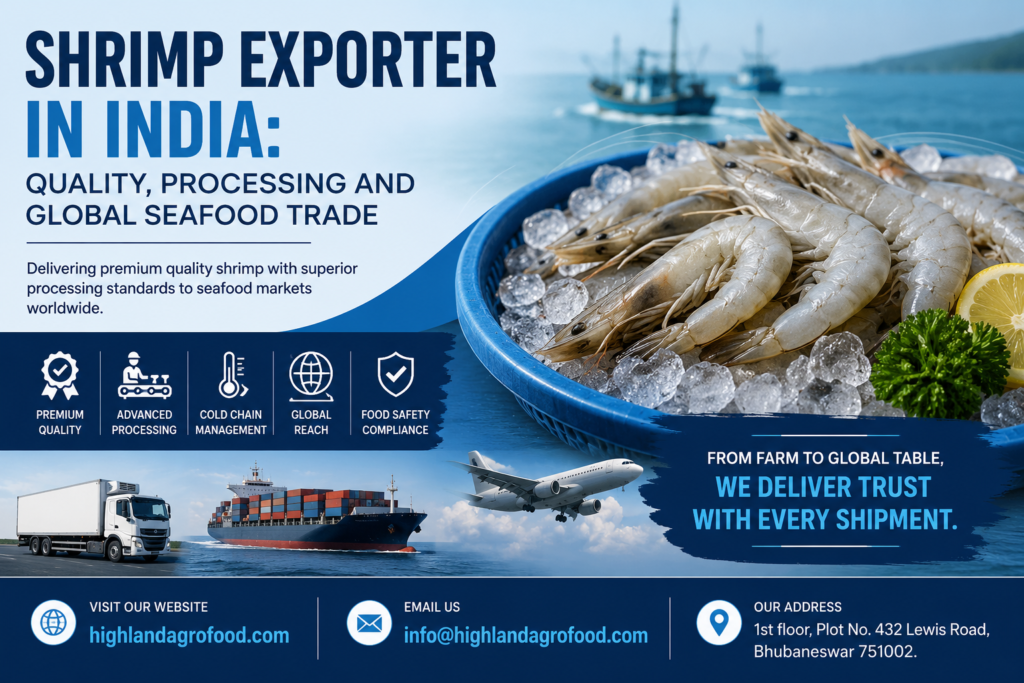
India has a strong position in the global seafood market, with shrimp being one of its major exported products. The country has suitable coastal conditions, established aquaculture practices, processing facilities, cold-chain infrastructure, and access to international markets. These factors have helped Indian shrimp become an important part of seafood supply chains across different regions.
For seafood buyers, quality is not determined by size alone. Freshness, species, farming practices, processing standards, freezing methods, packaging, traceability, and delivery conditions all influence the final product. Importers and food businesses therefore need reliable suppliers that can maintain consistent standards from production to shipment.
The global seafood industry is also becoming more focused on food safety and responsible sourcing. Buyers increasingly want clear information about the origin of products, processing methods, certifications, and handling practices. This has made quality management an important part of international seafood trade.
Shrimp Production and India’s Seafood Supply Chain
Shrimp farming is an important activity in several coastal regions of India. Farmers raise shrimp in controlled ponds, where water quality, feed management, stocking density, and disease prevention require regular attention.
After harvesting, shrimp must be handled quickly and carefully. Delays or poor temperature control can affect quality. This is why the supply chain between farms, processing facilities, cold storage, transport operators, and export markets needs to work efficiently.
Indian seafood companies commonly deal with different shrimp varieties and product specifications depending on customer requirements and destination markets. Products can be supplied in different forms, including whole shrimp, peeled shrimp, and other processed formats.
Several factors contribute to a dependable shrimp supply chain:
- Proper harvesting and immediate handling
- Controlled temperature throughout transportation
- Hygienic processing facilities
- Quality inspection at different stages
- Suitable freezing techniques
- Secure and appropriate packaging
- Product traceability
- Compliance with destination-market requirements
A strong supply chain helps protect the quality of seafood from the farm through to the customer. It also allows suppliers to maintain more consistent product specifications across different shipments.
Quality Standards That Matter to Seafood Buyers
Food safety is a central concern in international seafood trade. Shrimp can be affected by microbiological, chemical, or physical risks if production and handling are not properly controlled. Processing facilities therefore need systems designed to identify and manage potential hazards.
Buyers should look beyond marketing claims and ask suppliers for relevant documentation. Depending on the market and product, this can include information about processing controls, laboratory testing, traceability, certifications, and regulatory compliance.
Product specifications should also be clearly established before an order is placed. Size, count, product form, glazing, packaging, freezing method, and storage requirements can vary between customers.
A professional supplier should be able to provide clear information about these details. This reduces misunderstandings and makes it easier for importers, distributors, restaurants, and food manufacturers to plan their operations.
Highland Agro Food represents the type of Indian seafood business that buyers may research when comparing suppliers and understanding available shrimp products.
Quality management does not end when the product leaves the processing facility. Cold storage and transportation are equally important. Frozen seafood must remain within appropriate temperature conditions throughout the logistics process. Poor handling during transportation can reduce product quality even when the initial processing was completed correctly.
Trends Influencing the Global Shrimp Market
The shrimp industry continues to change as consumer preferences, production methods, food regulations, and international trade conditions develop. Buyers are paying greater attention to consistency, traceability, responsible production, and transparent supply chains.
One noticeable trend is the growing importance of responsible aquaculture. Shrimp farming can create environmental challenges when poorly managed, including effects on water quality, coastal ecosystems, and resource use. Better farm management practices can help reduce these risks.
Technology is also becoming more useful in aquaculture and seafood processing. Farmers can monitor water conditions and production parameters, while processing businesses can use digital systems to improve inventory management, traceability, and quality records.
International buyers are also becoming more specific about product requirements. A supplier may need to meet different standards depending on the destination market. Understanding these requirements before production and shipment can prevent delays and reduce compliance problems.
For seafood businesses, several trends are worth monitoring:
- Greater demand for traceable seafood
- Increased focus on responsible aquaculture
- Better cold-chain monitoring
- More detailed product specifications
- Stronger attention to food-safety documentation
- Use of technology in farming and processing
- Demand for consistent supply and quality
These developments are encouraging seafood suppliers to improve systems across the entire value chain rather than concentrating only on processing.
Choosing a Reliable Seafood Supplier and Conclusion
Selecting a seafood supplier is an important business decision. Importers should consider more than price because a low initial cost does not necessarily mean better overall value. Product consistency, food safety, delivery reliability, documentation, and communication can have a major effect on business operations.
A practical supplier evaluation can include:
- Product range and specifications
- Processing and storage facilities
- Food-safety systems
- Traceability procedures
- Export experience
- Packaging options
- Cold-chain capabilities
- Documentation and compliance support
- Communication and order management
- Ability to meet regular supply requirements
For businesses searching for a Shrimp Exporter in India, these factors can provide a useful starting point for comparing potential partners. Buyers should request product specifications and relevant documentation before finalizing commercial arrangements.
India’s shrimp industry has developed a broad production and processing network that connects coastal farms with customers in international markets. Continued attention to food safety, responsible aquaculture, cold-chain management, and traceability will remain important as the global seafood sector develops.
A reliable seafood supply chain benefits everyone involved, from farmers and processors to importers, retailers, restaurants, and consumers. Careful supplier selection and clear quality requirements can help businesses build stable relationships and maintain consistent seafood standards over time.
FAQs
1. What makes India important in the shrimp trade?
India has established shrimp farming, processing, cold-chain, and export infrastructure. Its coastal production regions support a significant seafood supply chain serving domestic and international buyers.
2. How should buyers assess shrimp quality?
Buyers should review product specifications, processing controls, storage conditions, traceability, testing procedures, packaging, and relevant compliance documents before placing regular orders.
3. Why is cold-chain management important?
Maintaining suitable temperature conditions helps preserve frozen seafood quality during storage and transportation. Breaks in the cold chain can negatively affect product condition.
4. How can businesses find a suitable supplier?
Businesses can compare processing capabilities, product specifications, documentation, delivery arrangements, and communication standards. Suppliers should be able to provide clear information about their products.
5. Where can buyers request company information?
Businesses interested in products and supply arrangements can review the official website and use the Contact Us section to request further information.
6. Where can seafood buyers find common questions?
The Faq section can provide basic information about products and business services. Buyers can also contact the supplier directly for specific order or specification requirements.