
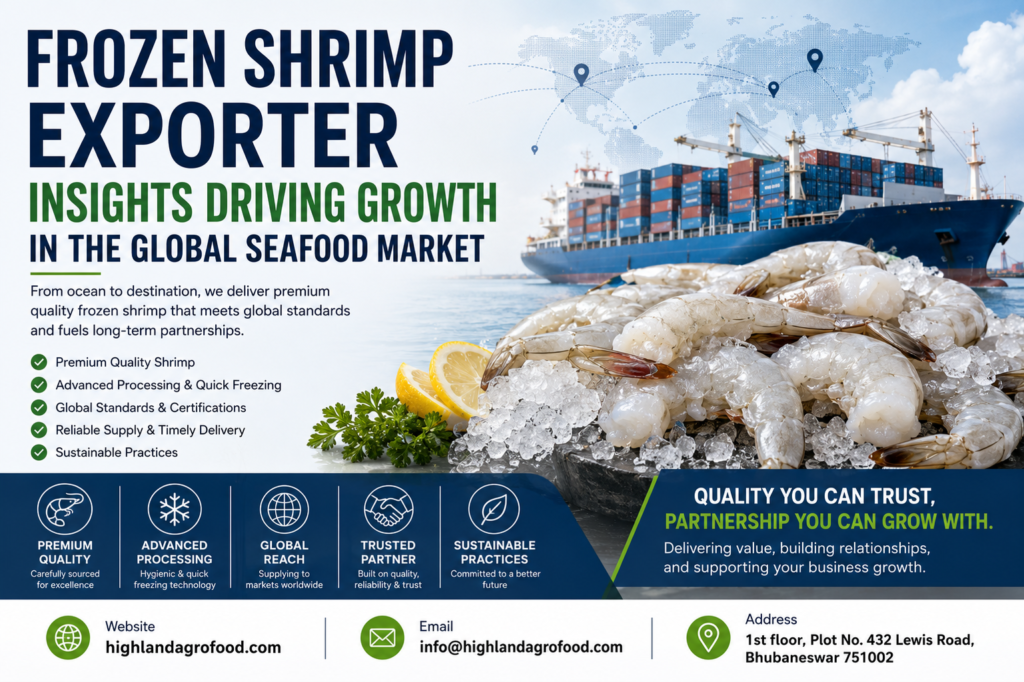
Seafood continues to play an important role in food consumption across the world, and shrimp remains one of the most popular choices among consumers. From restaurants and hotels to supermarkets and households, frozen shrimp has become a preferred seafood product because of its convenience, availability, and ease of storage.
The global seafood industry is constantly evolving to meet changing consumer expectations. Better cold storage systems, improved transportation networks, and growing international trade have helped frozen seafood products reach more markets than ever before. As demand continues to rise, seafood businesses are focusing on quality, consistency, and efficient supply chains.
For seafood buyers, distributors, and enthusiasts, understanding the latest developments in the frozen shrimp industry can provide valuable insights into market trends and future opportunities.
Rising Demand for Frozen Seafood Products
Frozen seafood has become a practical solution for both consumers and businesses. Proper freezing techniques help maintain product quality while extending shelf life, making frozen shrimp a dependable option for various markets.
Several factors are contributing to increased demand:
- Growing seafood consumption worldwide
- Expansion of food service and restaurant industries
- Increasing demand for convenient meal options
- Improved cold chain logistics
- Wider availability in retail stores and supermarkets
Consumers today often prefer products that can be stored for longer periods without compromising usability. Frozen shrimp fits well into this requirement, making it a popular choice among households and commercial buyers alike.
International markets continue to rely on imported seafood products to meet local demand. This trend has encouraged exporters and suppliers to strengthen their processing and distribution capabilities.
Quality Standards Supporting Market Expansion
Quality remains one of the most important factors in seafood trade. Buyers expect products that comply with food safety regulations and industry standards.
Seafood suppliers generally focus on:
- Hygienic processing environments
- Product traceability systems
- Consistent grading procedures
- Secure packaging methods
- Temperature-controlled transportation
These measures help ensure that seafood products reach customers in suitable condition. Importers often evaluate suppliers based on their commitment to quality assurance and operational reliability.
Businesses involved in seafood exports continue to invest in processing facilities and quality control systems. Such investments help build trust among international buyers and contribute to long-term business growth.
Reliable quality management also reduces supply chain risks and supports customer satisfaction across different markets.
Technology Transforming the Seafood Industry
Technology has become an important part of modern seafood processing and distribution. Companies are using advanced systems to improve efficiency, accuracy, and product consistency.
Common technological developments include:
- Automated sorting equipment
- Modern freezing systems
- Digital inventory management
- Shipment tracking solutions
- Data-based quality monitoring
These tools help streamline operations while supporting better decision-making throughout the supply chain.
Technology also improves communication between suppliers, distributors, and buyers. Access to real-time information allows businesses to respond quickly to changing market conditions and customer requirements.
Sustainability initiatives are often supported by technological improvements as well. Better resource management and efficient production processes can help reduce waste and improve overall operational performance.
As consumer expectations continue to evolve, technology will likely remain a major factor in the growth of the seafood industry.
Building Strong Partnerships in Seafood Trade
Long-term success in seafood trade often depends on reliable supplier relationships. Importers and distributors typically look for suppliers that can consistently meet product specifications and delivery schedules.
Key factors buyers consider include:
- Production capacity
- Export experience
- Quality assurance practices
- Packaging capabilities
- Customer service support
- Delivery performance
A dependable supplier helps businesses maintain product availability and meet customer expectations. Strong partnerships also improve communication and planning throughout the supply chain.
In the seafood sector, organizations such as Highland Agro Food contribute to the market by supporting processing and export activities that help connect seafood products with global buyers.
The ability to maintain consistency over time is often a major advantage for both suppliers and customers. Reliable business relationships can create opportunities for growth and long-term collaboration.
Conclusion
The frozen shrimp industry continues to grow as consumer demand, technological advancements, and international trade create new opportunities within the seafood market. Quality standards, efficient logistics, and strong supplier relationships remain essential for success.
Frozen seafood products provide convenience and accessibility for consumers while supporting the needs of retailers, distributors, and food service operators. Businesses that focus on quality management and operational efficiency are well-positioned to meet market expectations.
As global seafood consumption continues to expand, the role of a Frozen Shrimp Exporter will remain important in connecting seafood producers with customers around the world. With continued investment in technology, quality assurance, and supply chain improvements, the future of the frozen shrimp industry looks promising for both businesses and consumers.
FAQs
1. Why is a Frozen Shrimp Exporter important in the seafood industry?
A Frozen Shrimp Exporter helps connect seafood producers with international buyers while ensuring products are processed, stored, and transported according to industry standards.
2. Where can I find the Contact Us page for seafood inquiries?
The Contact Us page is usually available on a company’s website and provides details for product inquiries, business partnerships, and export-related communication.
3. Why should buyers review the Faq section before placing an order?
The Faq section often contains useful information about product specifications, shipping procedures, quality standards, and export processes that can assist buyers.
4. What services does a Frozen Shrimp Exporter typically provide?
A Frozen Shrimp Exporter generally offers processing, packaging, quality control, and international shipping services to support seafood distribution worldwide.
5. How can the Contact Us page help business buyers?
The Contact Us page allows buyers to request product information, discuss sourcing requirements, and connect directly with the supplier’s team.
6. What information is commonly included in a Faq section?
A Faq section usually answers questions related to product availability, packaging options, delivery timelines, export documentation, and quality assurance practices.